Understanding Tree Properties — Implementation Guide
Learn how to calculate tree height, check balance, and detect symmetry with production-ready code examples.
Learn how to calculate tree height, check balance, and detect symmetry with production-ready code examples.
Author
Mr. Oz
Date
Read
8 mins
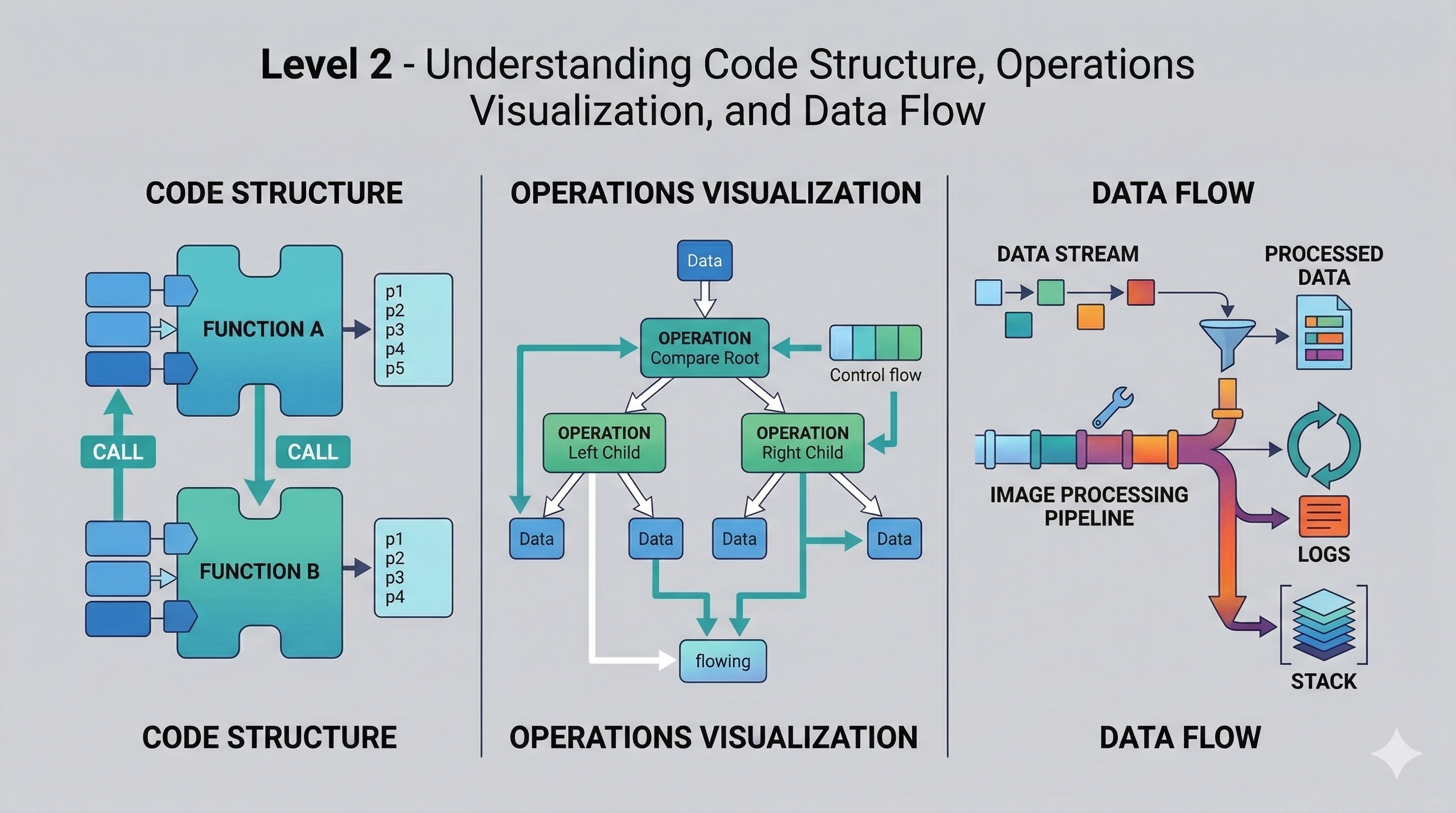
Level 2
Author
Mr. Oz
Date
Read
8 mins
Share


Now that you understand why tree properties matter, let's implement the algorithms to check them. We'll cover height calculation, balance verification, and symmetry detection.
The height of a tree is the number of edges on the longest path from root to leaf. An empty tree has height -1 (or 0 if counting nodes).
def height(node):
    if not node:
        return -1  # empty tree
    return 1 + max(height(node.left), height(node.right))
A balanced tree has |leftHeight - rightHeight| ≤ 1 for every node. The key is combining height calculation with balance checking.
def isBalanced(root):
    def check(node):
        if not node:
            return 0
        left = check(node.left)
        if left == -1: return -1
        right = check(node.right)
        if right == -1: return -1
        if abs(left - right) > 1: return -1
        return 1 + max(left, right)
    return check(root) != -1
The -1 sentinel propagates imbalance upward immediately, enabling early termination.
A symmetric tree mirrors itself: left subtree equals right subtree when reversed.
def isSymmetric(root):
    def mirror(left, right):
        if not left and not right: return True
        if not left or not right: return False
        return (left.val == right.val and
                mirror(left.left, right.right) and
                mirror(left.right, right.left))
    return mirror(root.left, root.right) if root else True
Compare left.left with right.right (outer) and left.right with right.left (inner).
| Operation | Time | Space |
|---|---|---|
| Height | O(n) | O(h) |
| Balance check | O(n) | O(h) |
| Symmetry check | O(n) | O(h) |
| Depth of node | O(n) | O(h) |
| Diameter | O(n) | O(h) |
Level 1
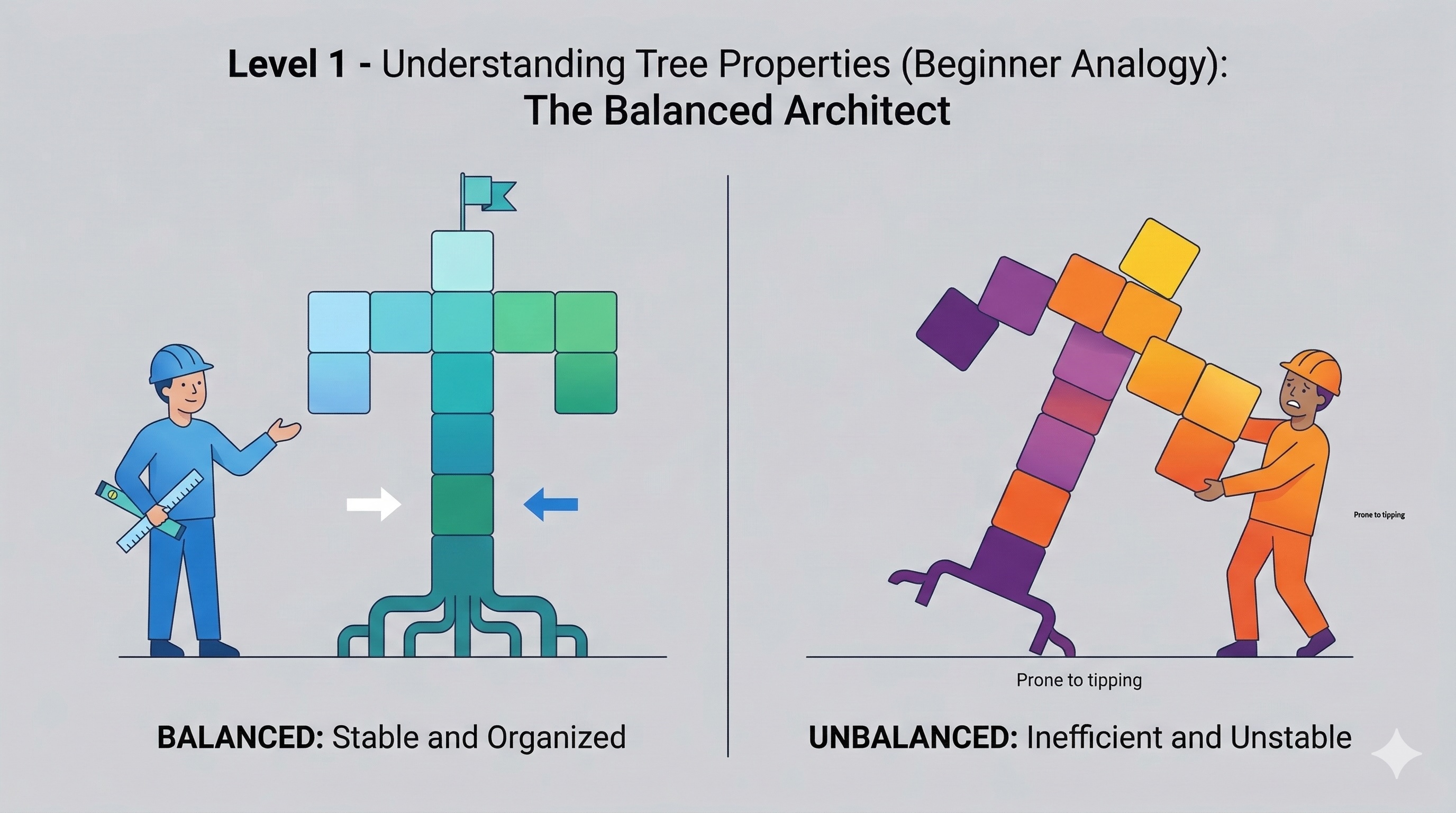
Learn tree properties through an architectural analogy.
Level 2
Implementation details and common patterns.
Level 3
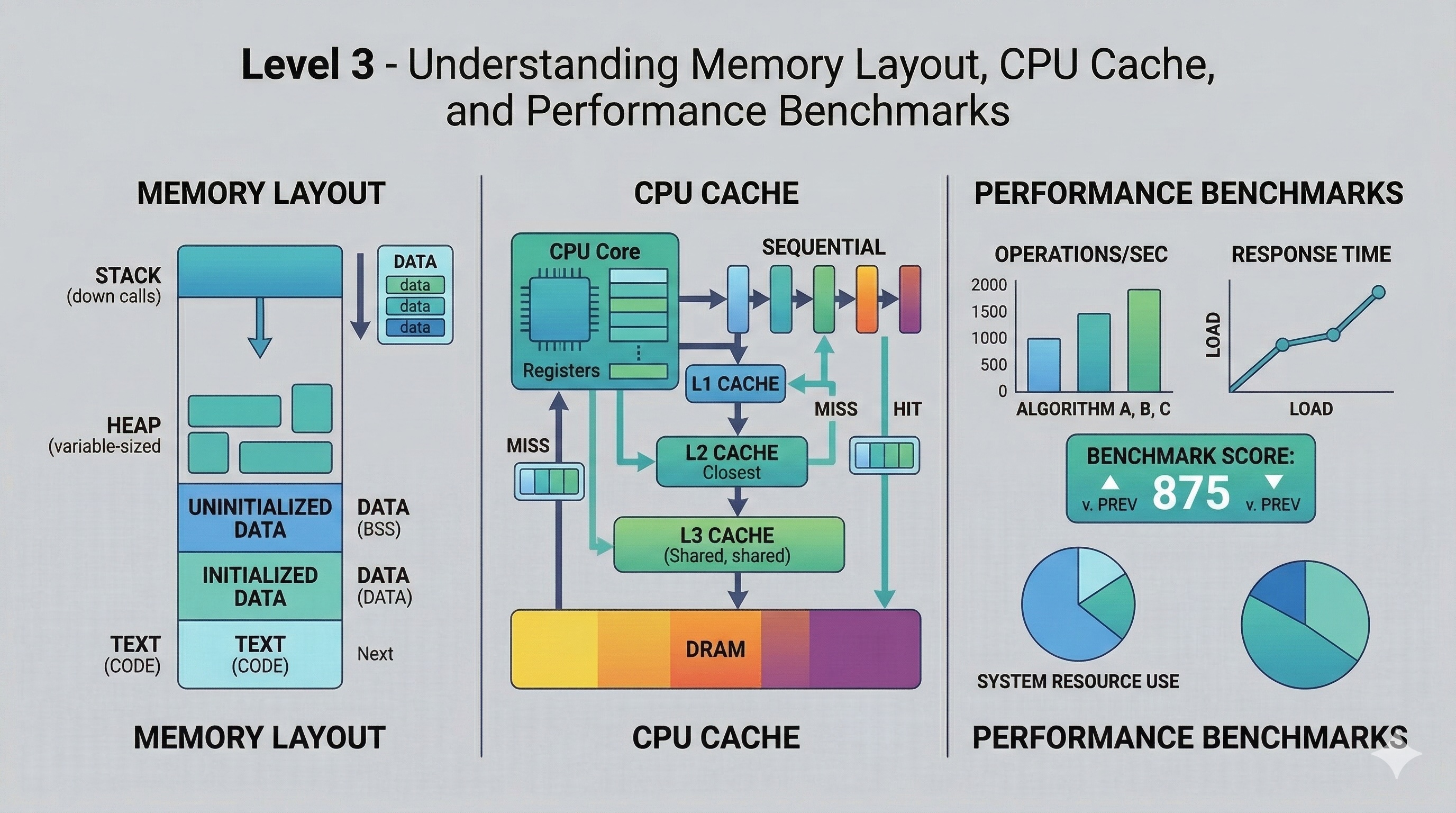
Memory layout and optimization techniques.